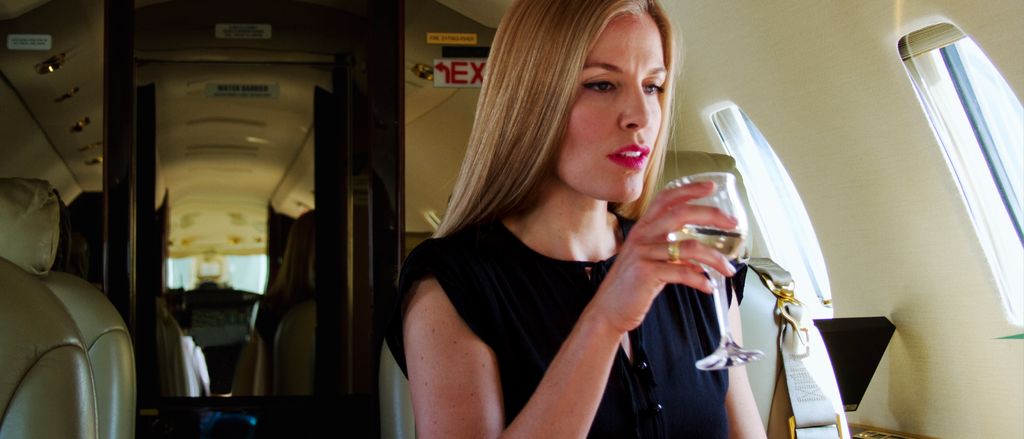
What happens if you get drunk on a plane?
Thursday, October 1, 2026
Most passengers enjoy a drink or two before or during a flight without any issue. But getting visibly drunk on a plane is a different matter for you, for the crew, and for the other passengers around you. Here is what actually happens, and what it means for your ability to board if you are drunk.
Is it illegal to be drunk on a flight?
Yes, in most jurisdictions it is illegal to be drunk during a flight. Under UK and EU aviation law, airlines are prohibited from allowing visibly intoxicated passengers to board. The crew has the authority, and more importantly, the legal obligation to refuse service or remove passengers they consider a safety risk.
However, there is no universal breathalyser test or fixed blood-alcohol threshold. Crew members use their own judgement, based on behaviour, movement, and even what you say. That includes offhand remarks. In a widely reported case, a passenger was denied boarding after joking to a gate agent about having had drinks in the airport lounge, the airline considered it sufficient grounds to refuse travel, so it's best to play it safe.
What can cabin crew do if you look drunk?
Once aboard, crew have significant powers. If a passenger appears intoxicated, crew can:
- Stop serving alcohol to serve any passenger they consider a safety risk
- Ask you to move seats or separate you from other passengers
- Divert the aircraft if the situation escalates and poses a threat to safety
- Have you removed by police on landing - or before takeoff if the captain decides it is necessary
Remember that captains have ultimate authority over their aircraft. If they judge that a passenger's behaviour is putting flight safety at risk, they can have that person removed at any point, including mid-route via an emergency diversion.
Does alcohol affect you more at altitude?
The short answer: alcohol itself behaves the same at cruising altitude, but cabin conditions can make you feel the effects faster. Lower cabin pressure reduces the oxygen available in your blood, which can intensify fatigue and the sensation of being lightheaded - even if your blood-alcohol level is technically the same.
Add in dehydration from recycled cabin air, disrupted sleep, and pre-flight nerves, and it is easy to see why people sometimes drink more than they intended before realising how impaired they feel.
What are the consequences of being drunk on a flight?
Getting drunk on a plane can lead to:
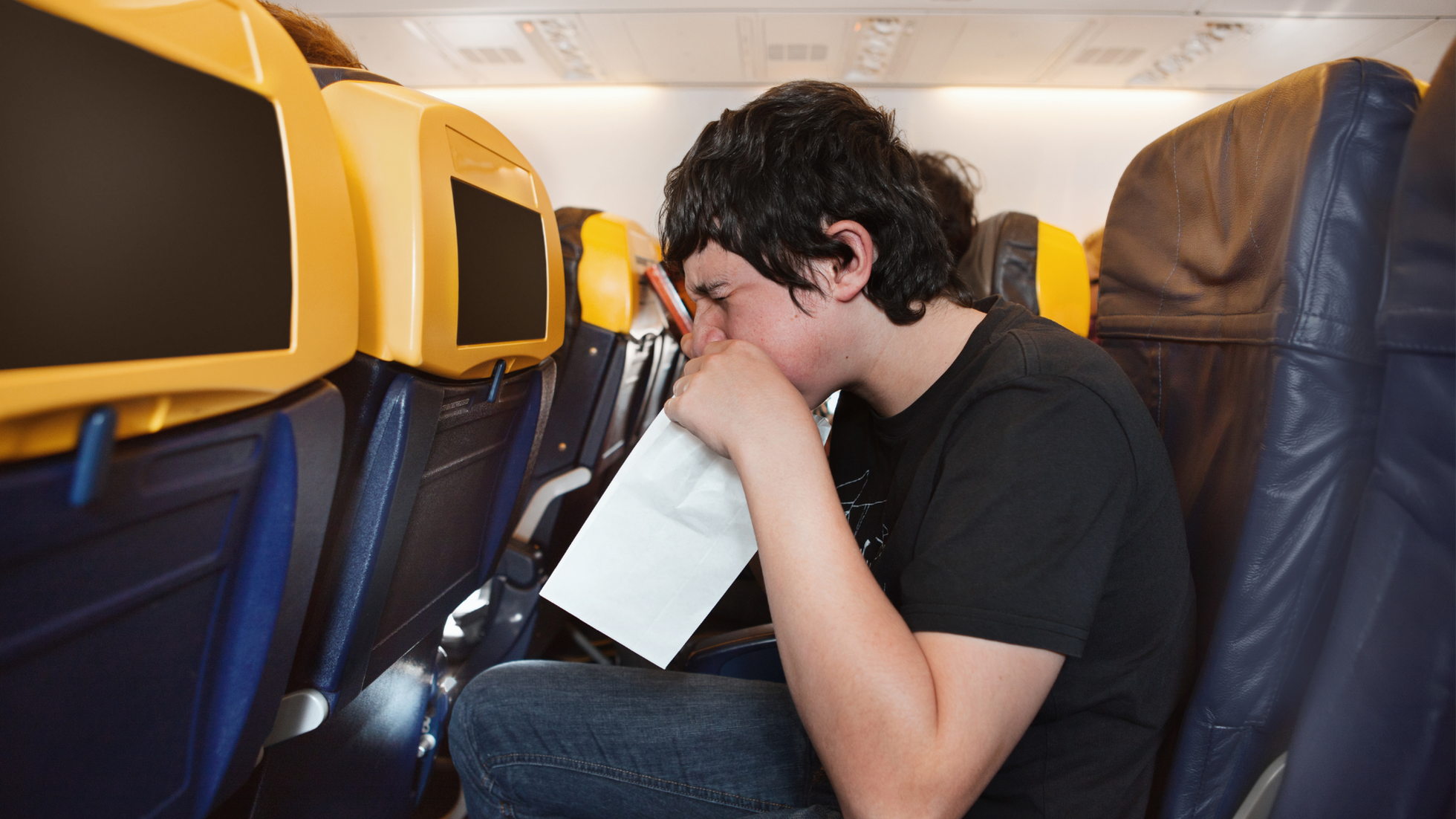
- Vomiting and sickness - even though this has no particular legal implication, it is a very real, and unfortunate consequence of becoming too intoxicated on a flight
- Removal from the flight - before takeoff or following an emergency diversion
- Arrest on landing - disruptive behaviour on aircraft is a criminal offence in many countries
- A ban from the airline - carriers can and do issue lifetime bans to passengers who cause serious disruption
- Prosecution - under UK law, being drunk on an aircraft is an offence under the Air Navigation Order 2016; fines and custodial sentences are possible
- No refund - if you are removed for intoxication, the airline is generally not obliged to refund your ticket
Denied boarding due to intoxication: are you entitled to compensation?
This is where the rules are clear, and it matters if you are familiar with your rights as a passenger.
Under EU261, passengers who are denied boarding through no fault of their own may be entitled to financial compensation of up to €600. However, there is an important exception: if you are denied boarding because of your own behaviour including appearing to be intoxicated, you are not entitled to compensation.
Airlines are permitted to refuse boarding on safety and security grounds, and intoxication falls squarely within that category. The carrier does not need to prove you were legally drunk; they only need to have reasonable grounds to believe you posed a safety risk.
What does this mean in practice?
- If you are refused boarding because the airline made an error, such as overbooking a flight, you may be entitled to compensation
- If you are refused boarding because of intoxication or disruptive behaviour, you are not
- The burden falls largely on the airline to demonstrate reasonable grounds, but courts have consistently given carriers significant discretion here
If you believe you were wrongly denied boarding and your intoxication was not a factor, you may have a valid claim. In that case, it is worth getting written confirmation from the airline stating the reason for refusal, then seeking advice on whether your situation qualifies.
Tips for drinking responsibly before and during a flight
If you do want a drink before or during your flight, a few practical pointers:
- Pace yourself - the altitude effect is real, even if indirect
- Drink water alongside alcohol - cabin air is extremely dry and dehydration accelerates impairment
- Eat before drinking - particularly if you have had a long wait at the airport
- Know when to stop - if cabin crew stop serving you, that is a clear signal
Being aware of your limits is not just courteous to other passengers. It protects your right to travel.
So, can you get drunk on a plane?
Getting drunk on a plane carries real consequences - from being cut off by the crew, to removal from the flight, to criminal charges in serious cases. Airlines have broad authority to refuse boarding or remove passengers they consider a safety risk, and the bar for "appearing intoxicated" is lower than many people assume.
If you are denied boarding, the reason matters. Intoxication removes your right to compensation under EU261. But if the denial had nothing to do with your behaviour - for example, if the flight was overbooked - you may well be entitled to claim.
Not sure if your situation qualifies for compensation? Check your eligibility with Flight Delayed.



Did you like this content ?
Thanks you made our day!
Help us be better!
Well received, thanks!